Why Photogram?
Why photogram?
To break the photographic process down to its essentials so as to examine how it works. Color darkroom printing contains the same elements as regular old camera picture taking: a light source, a chamber, an aperture, a lens, a light-sensitive surface, a human operator. A laboratory environment. I’ve removed the negative. I’m using only the color-balancing filters in the enlarger, making images from light measured in precise increments of time.
But why all this?
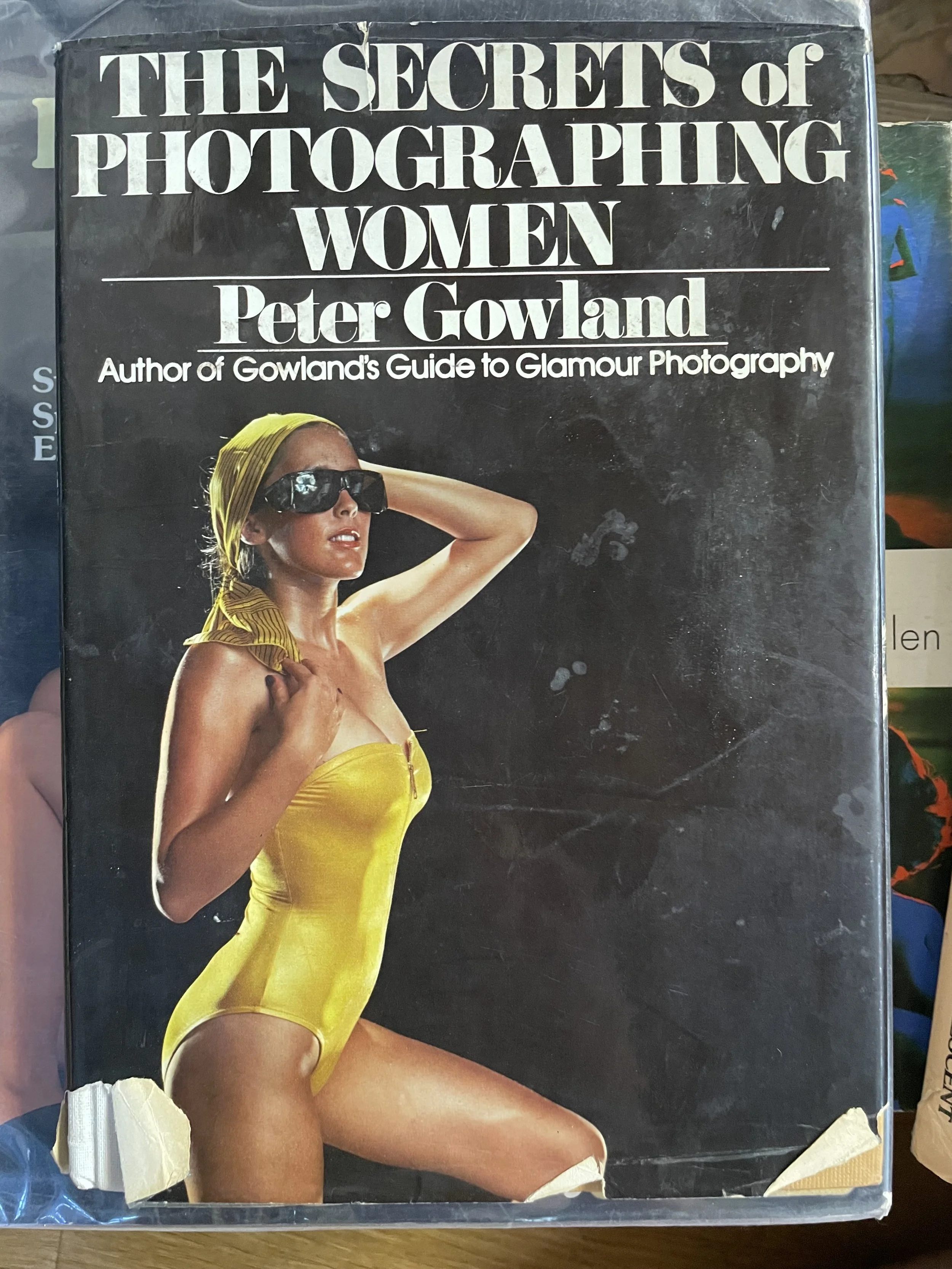
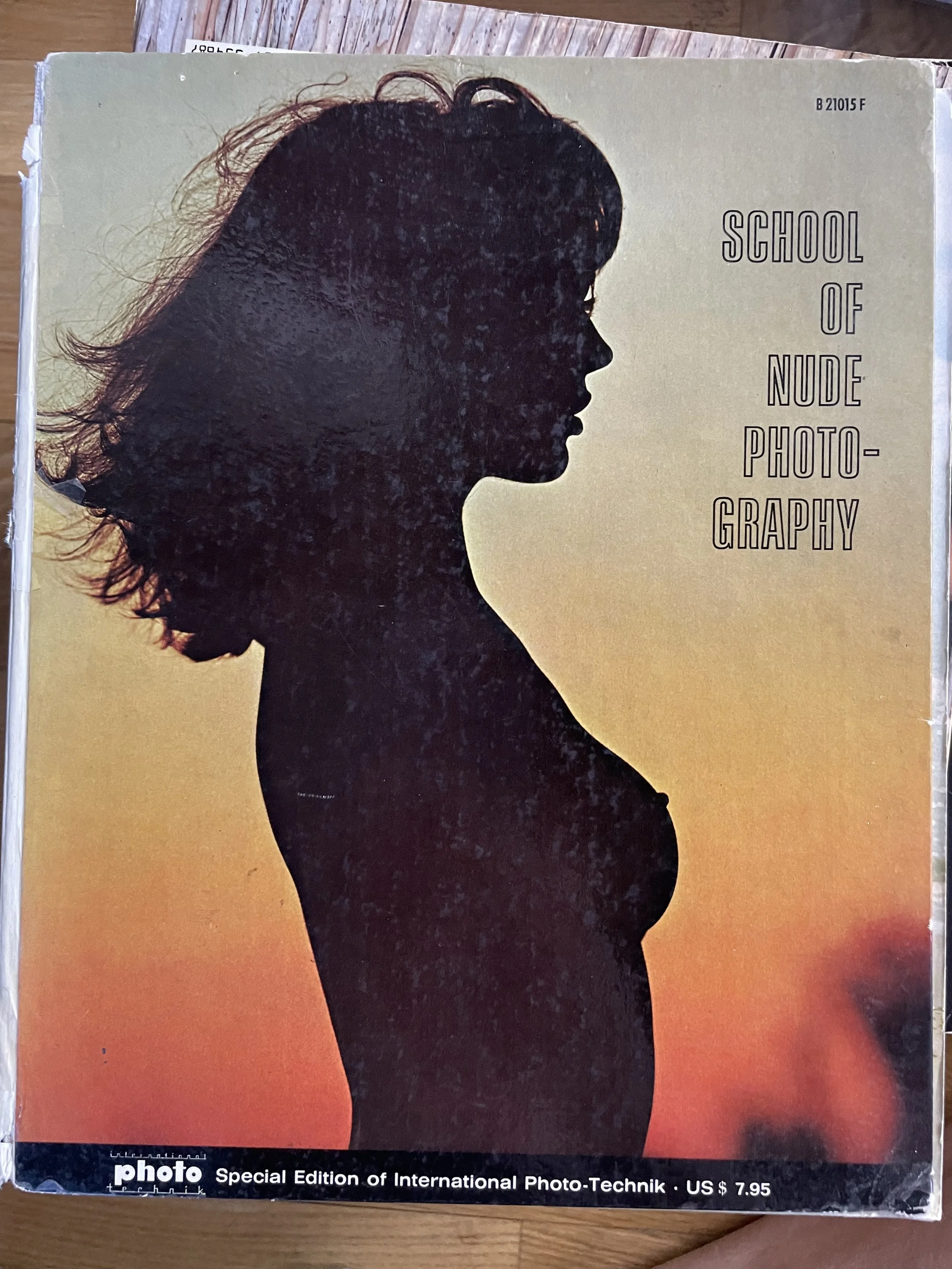
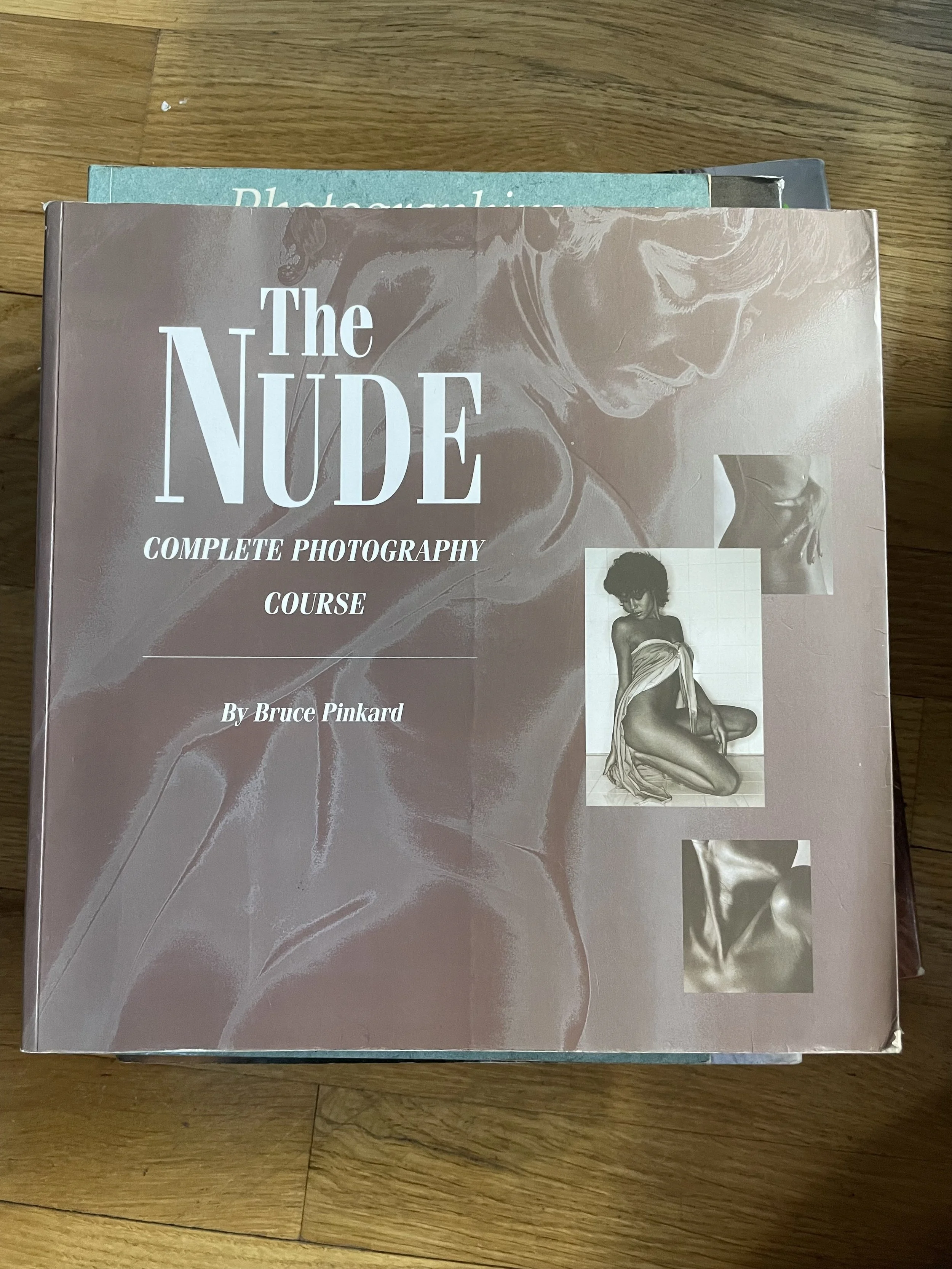
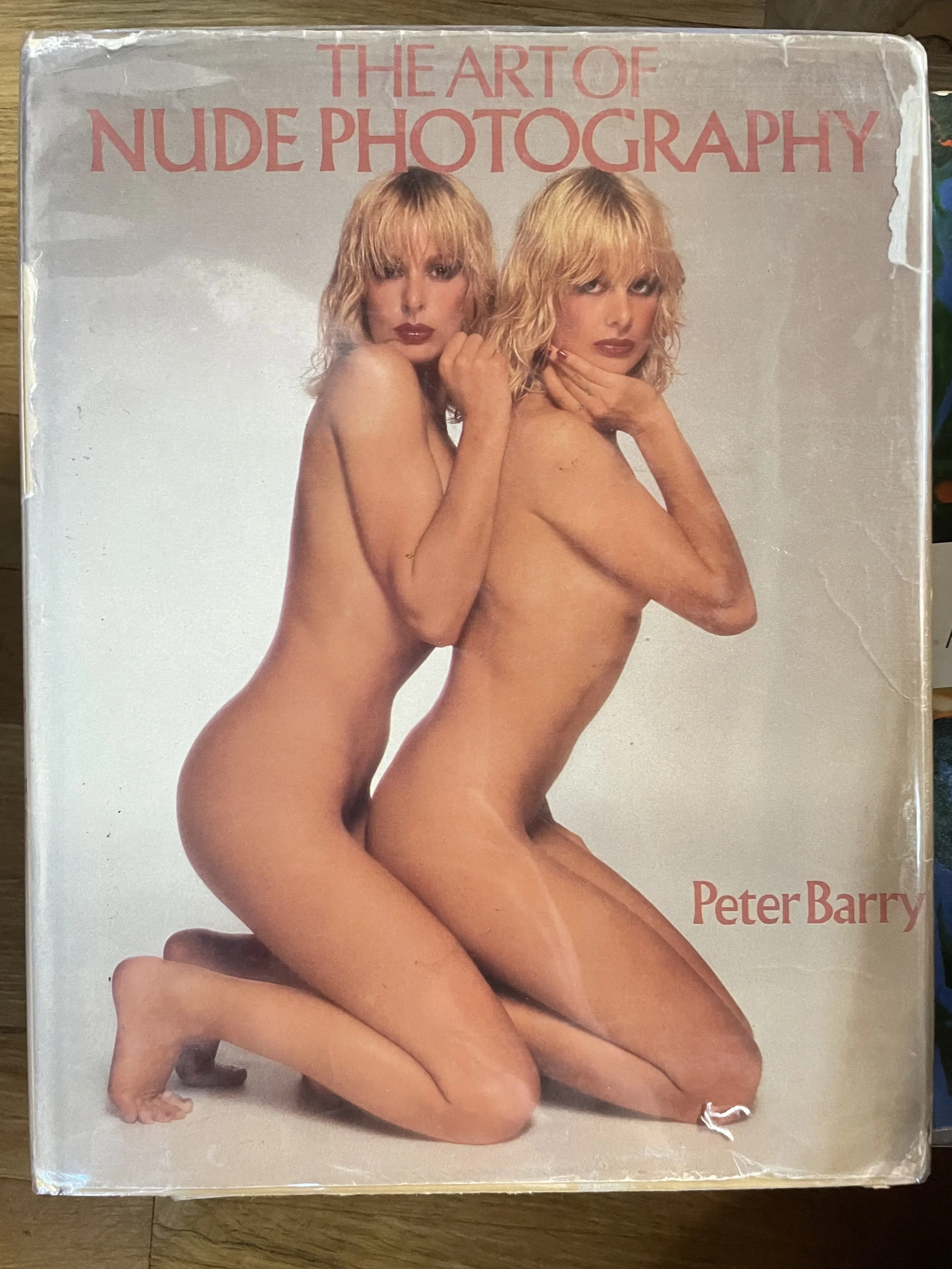
It can be hard to pinpoint, but I’ve discussed it with colleagues and we’ve experienced something similar: in traditional technical photography training there is a distinct voice of authority about right and wrong, high and low value, that has a decidedly patriarchal tone. These hierarchies have been challenged, investigated, and somewhat discarded in other media ages ago. In photography, it can still be hard to locate exactly where technical discipline tips over into something that complicates critical thinking.
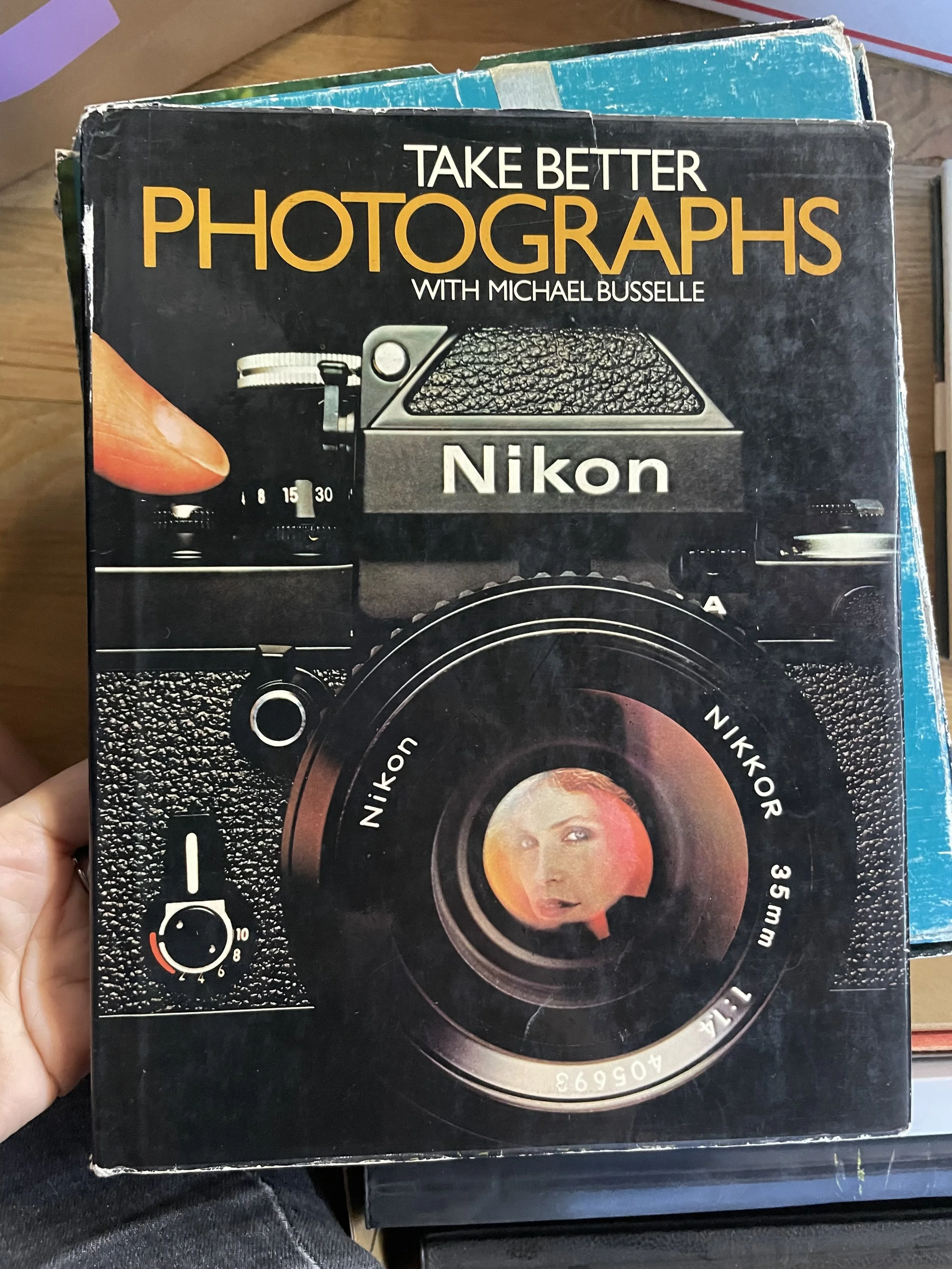
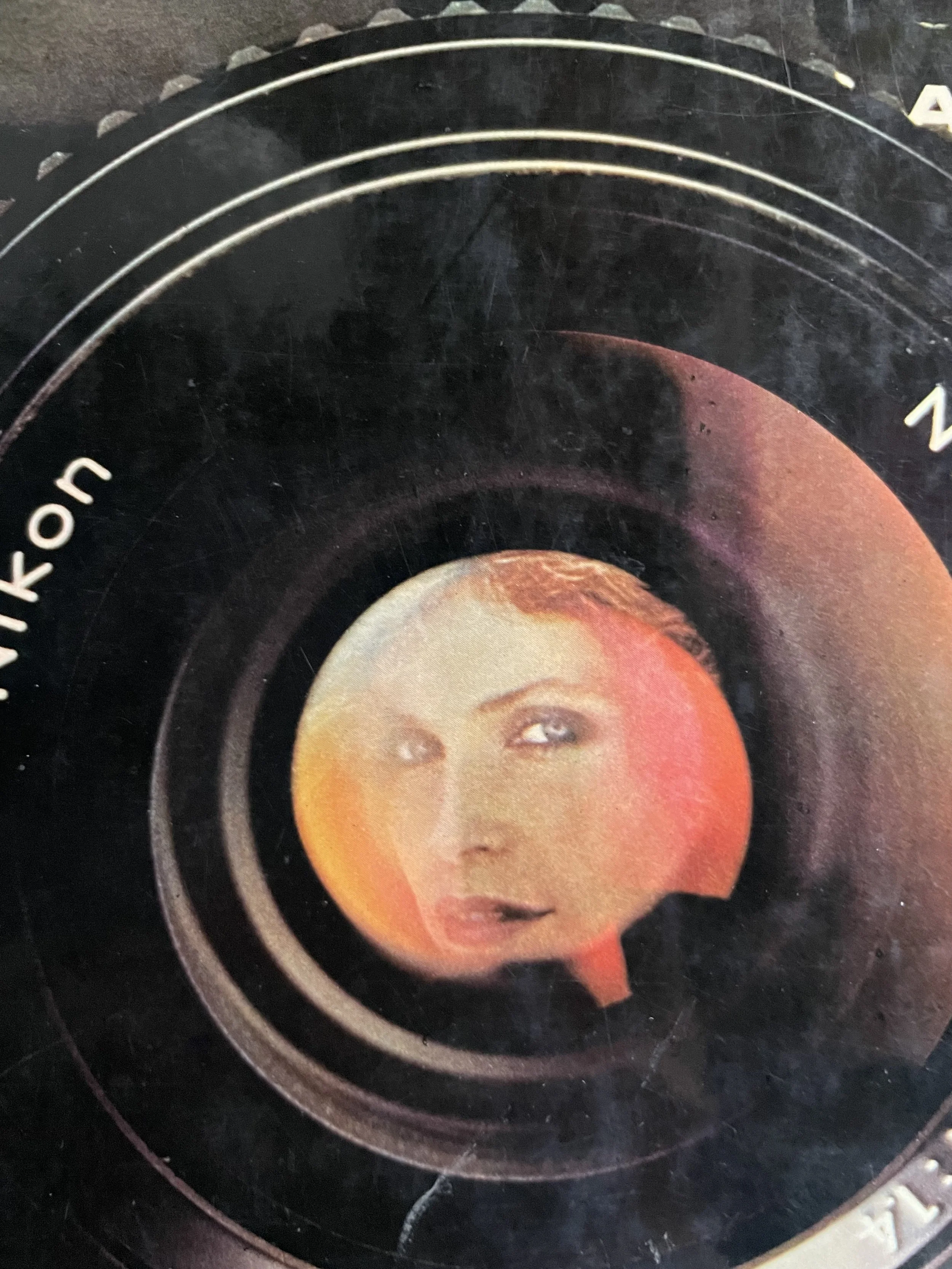
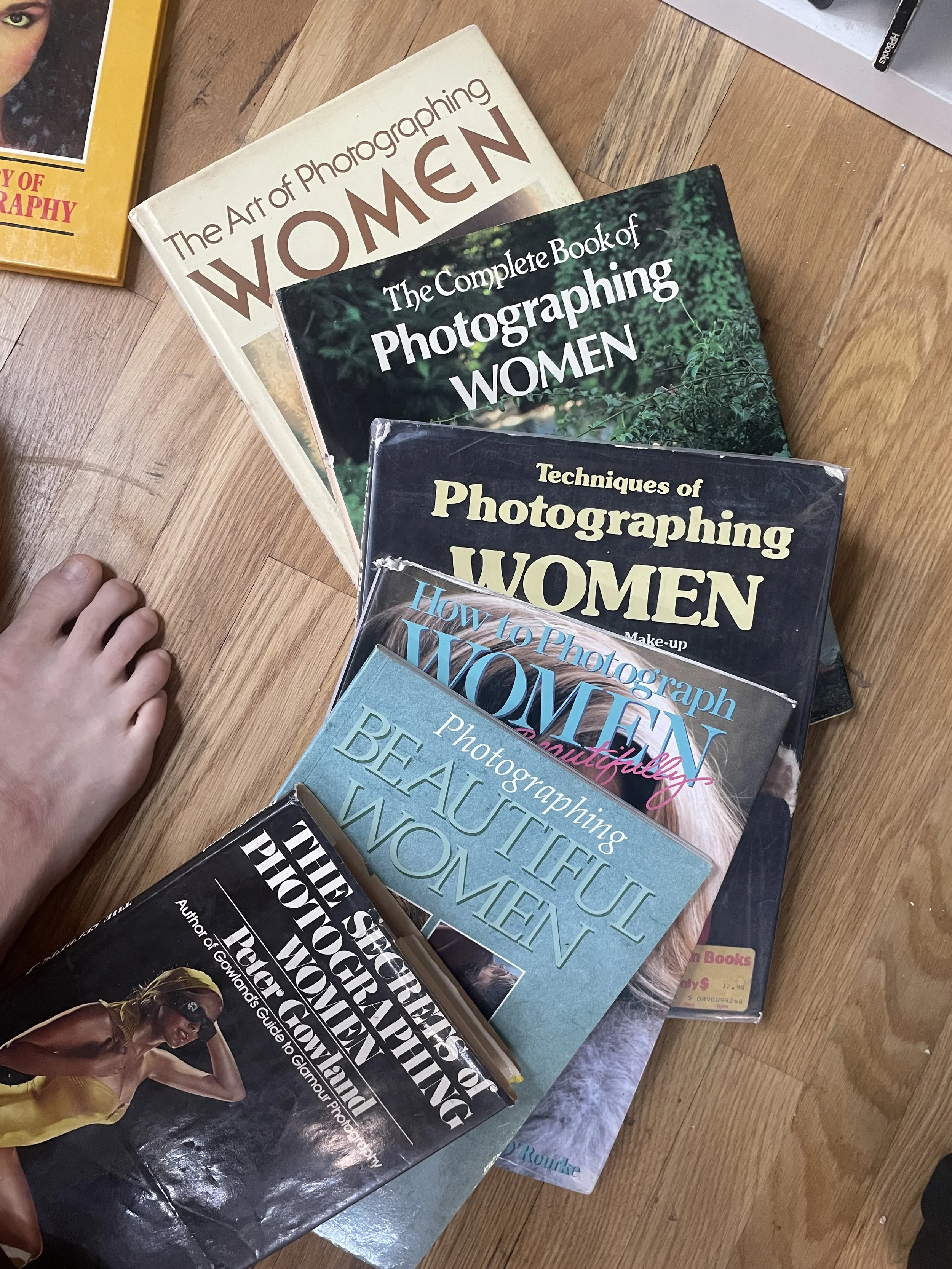
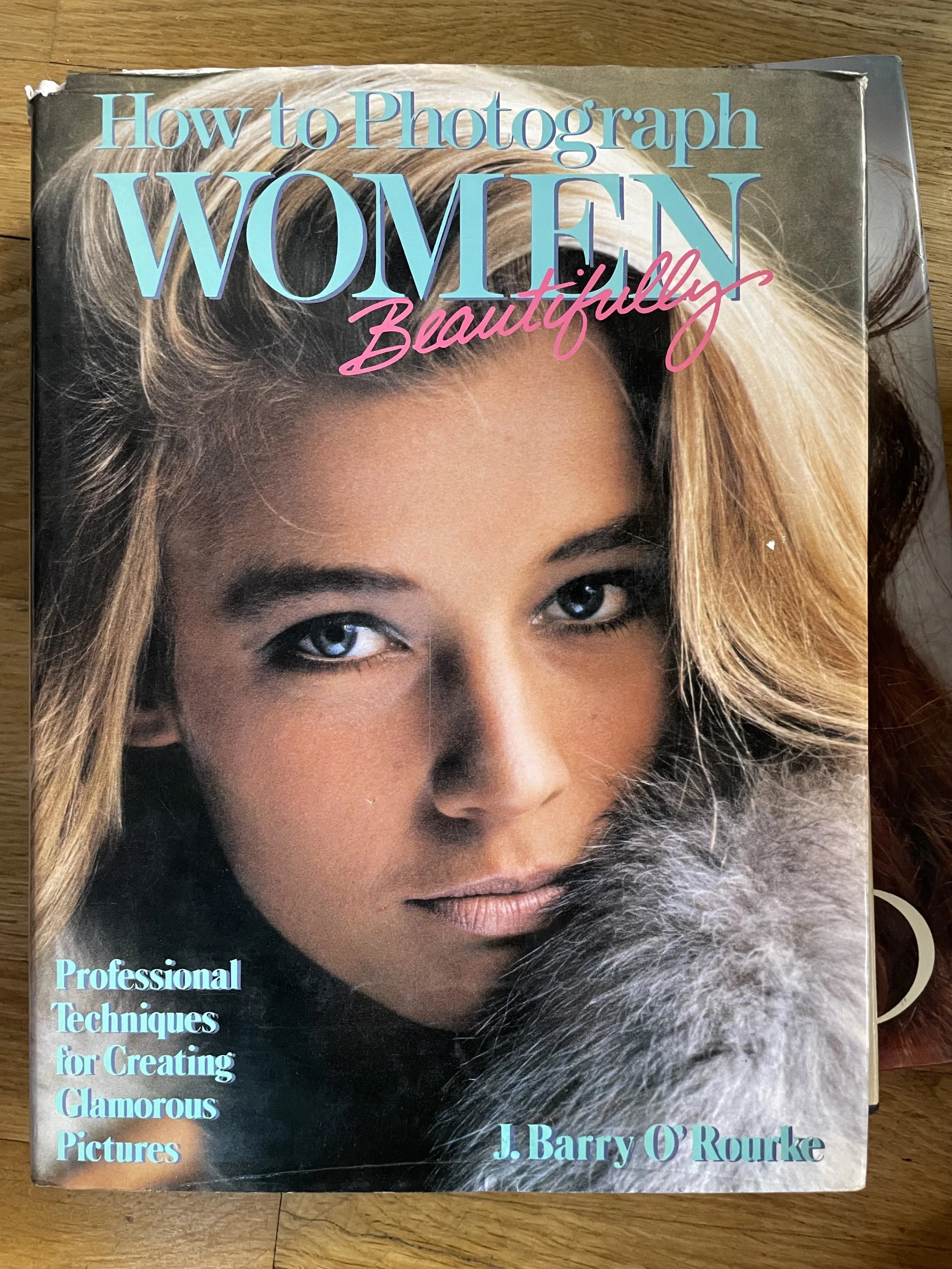
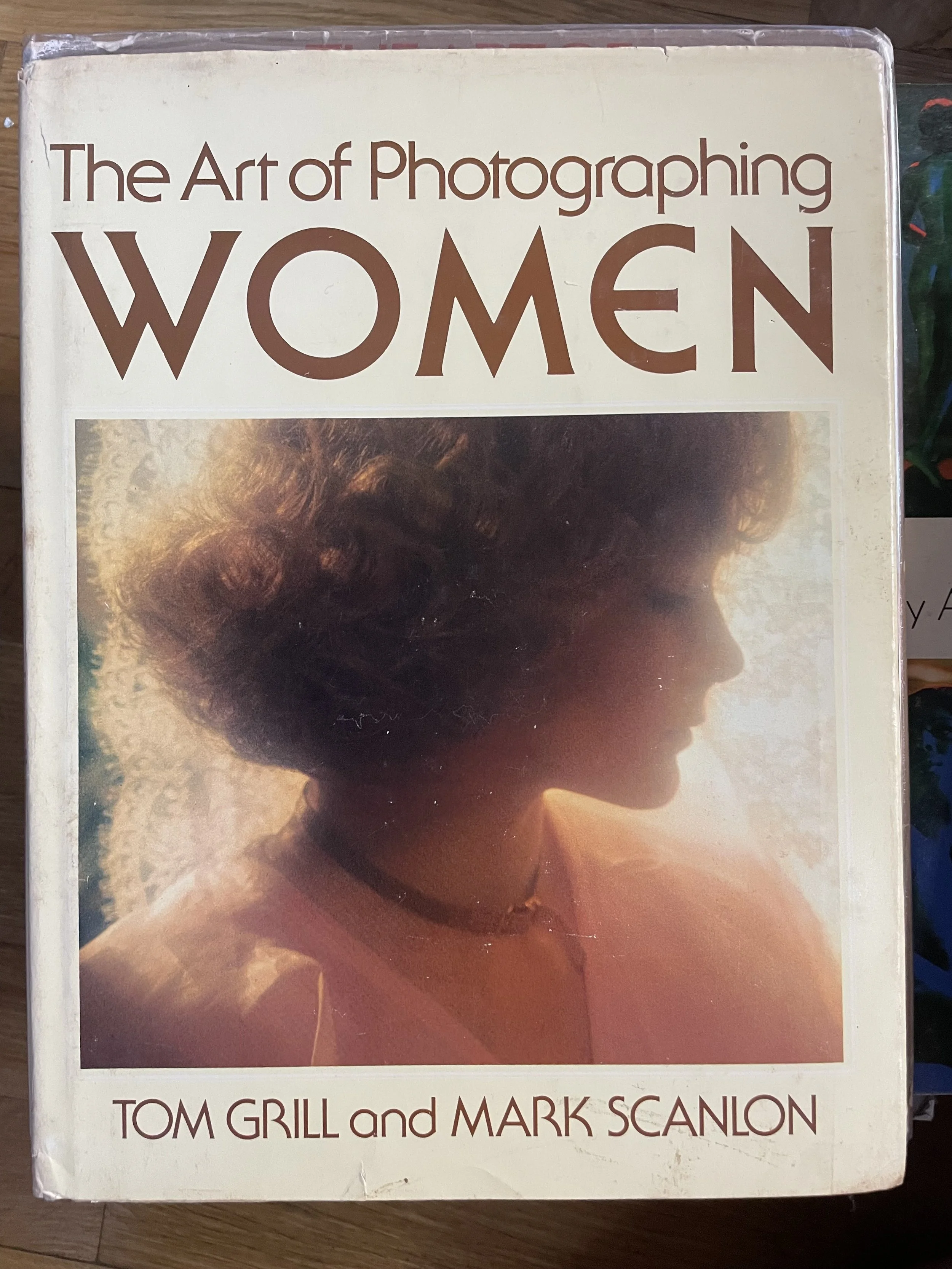
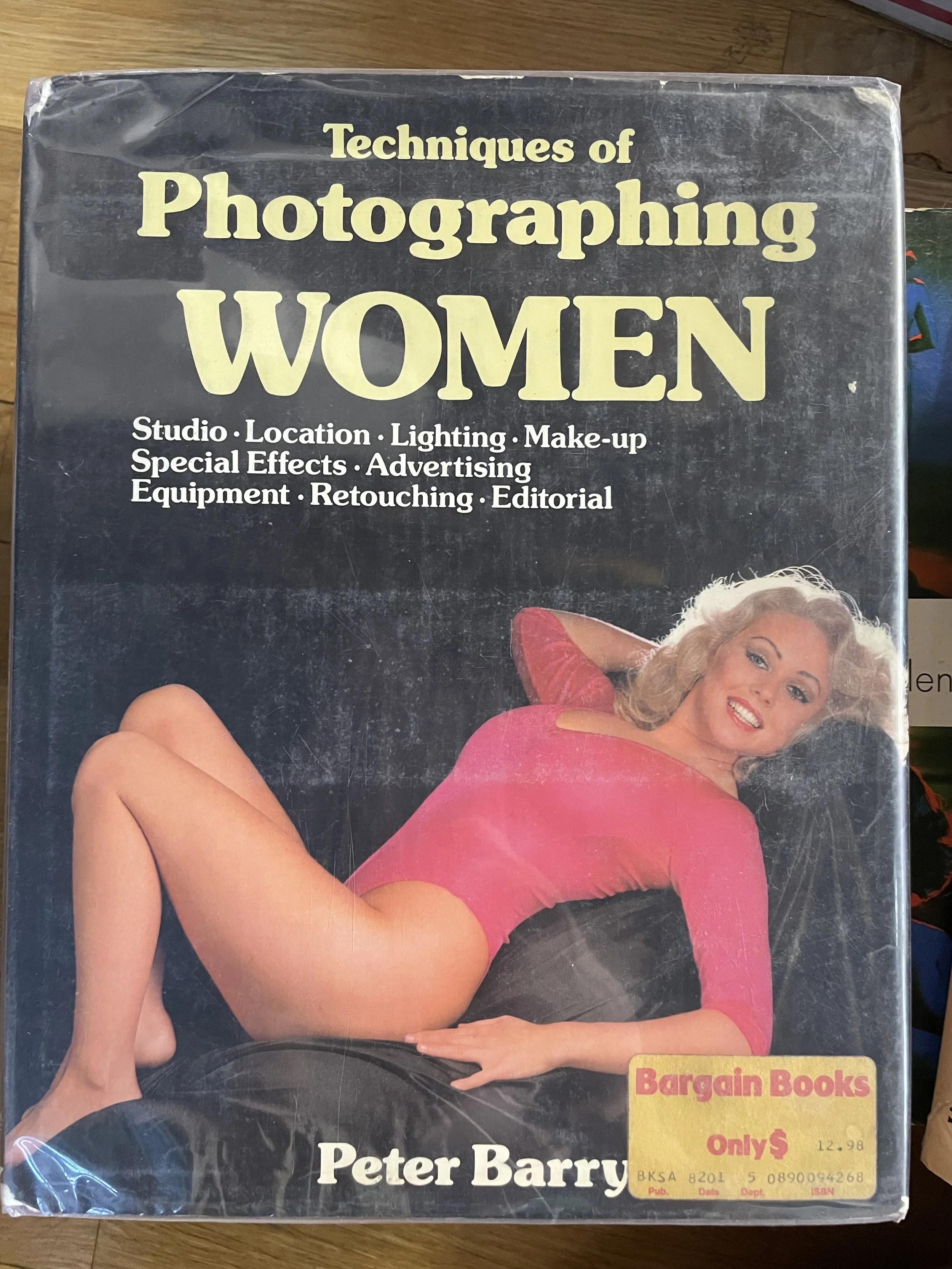
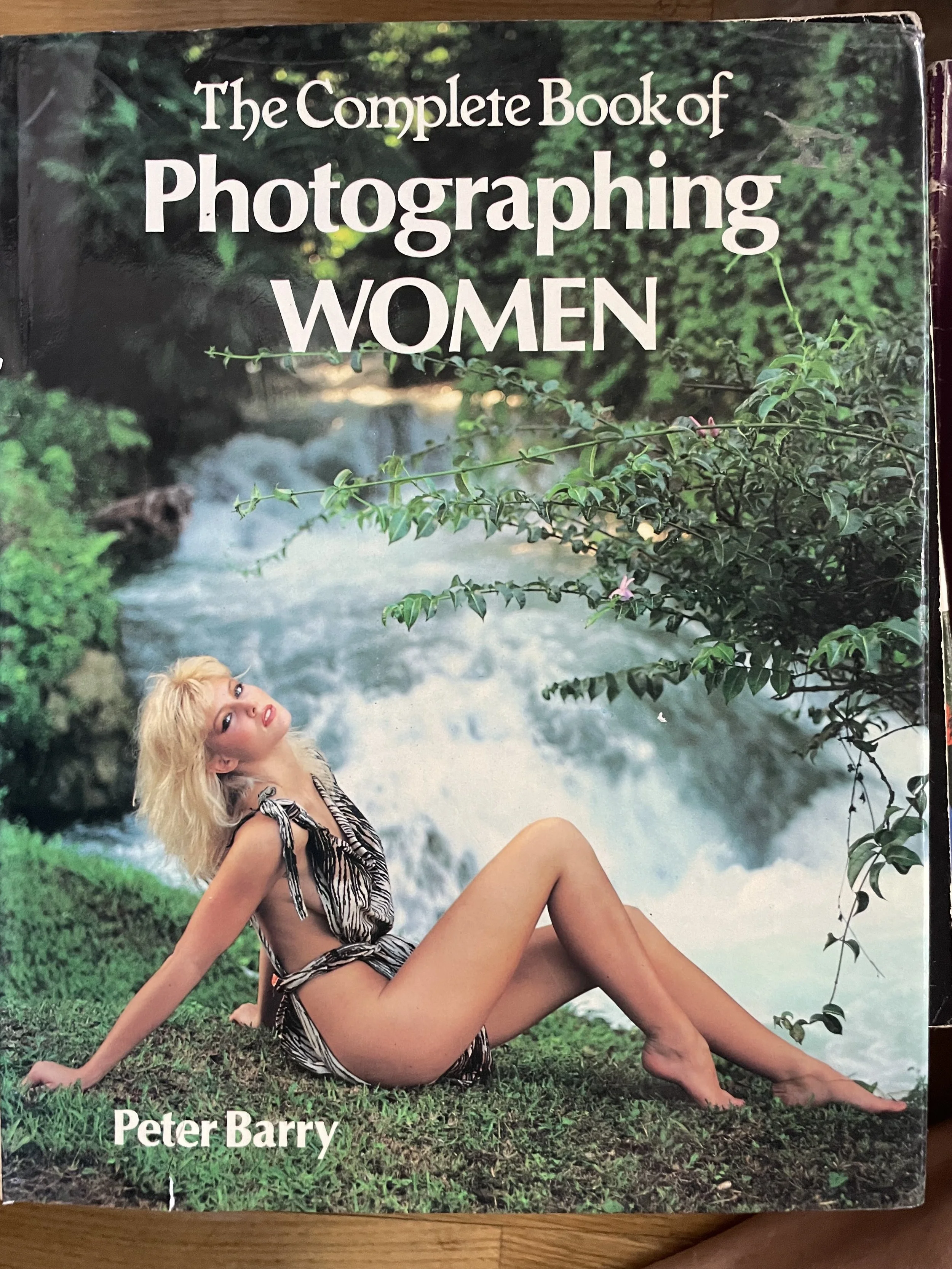
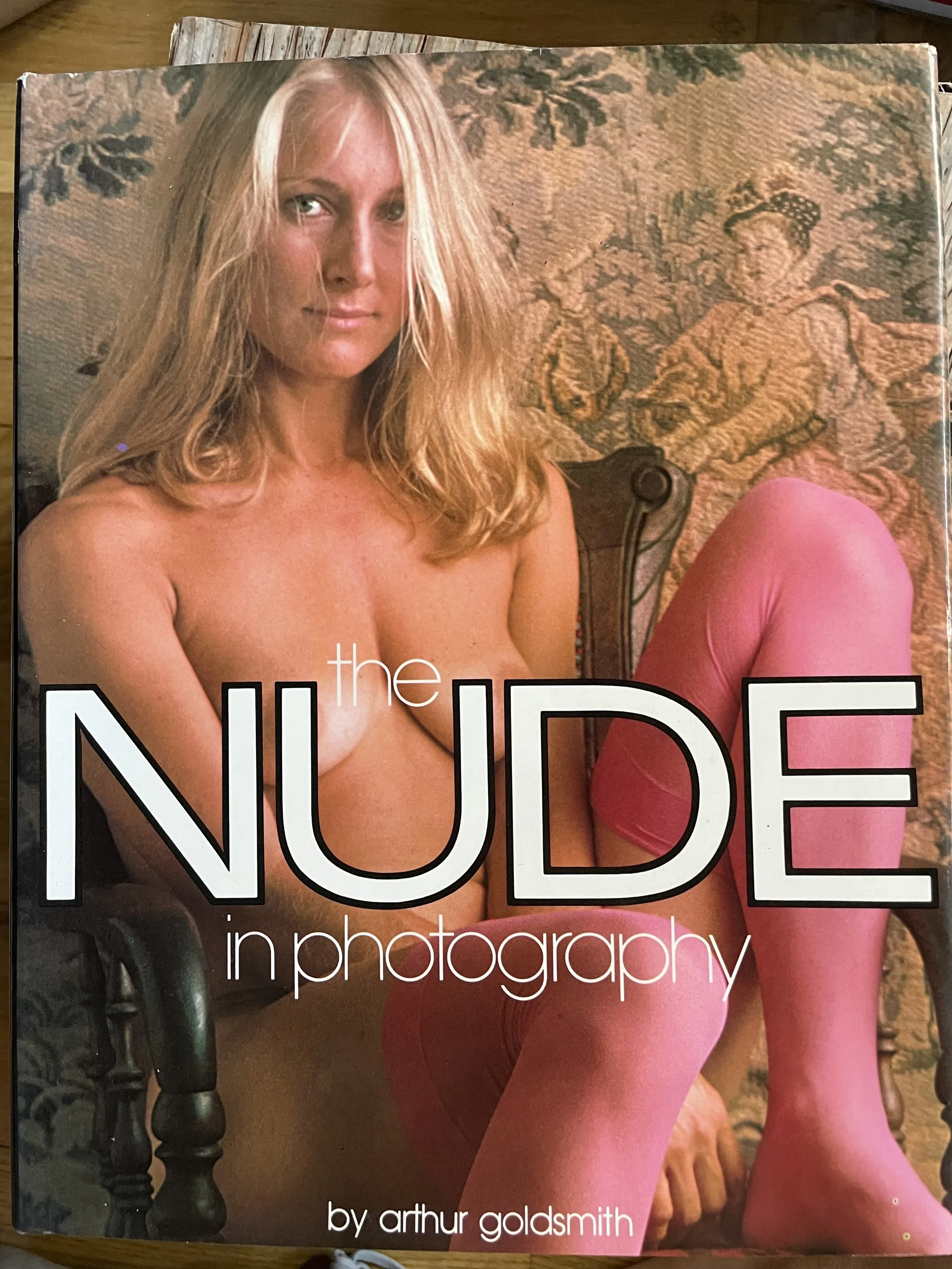
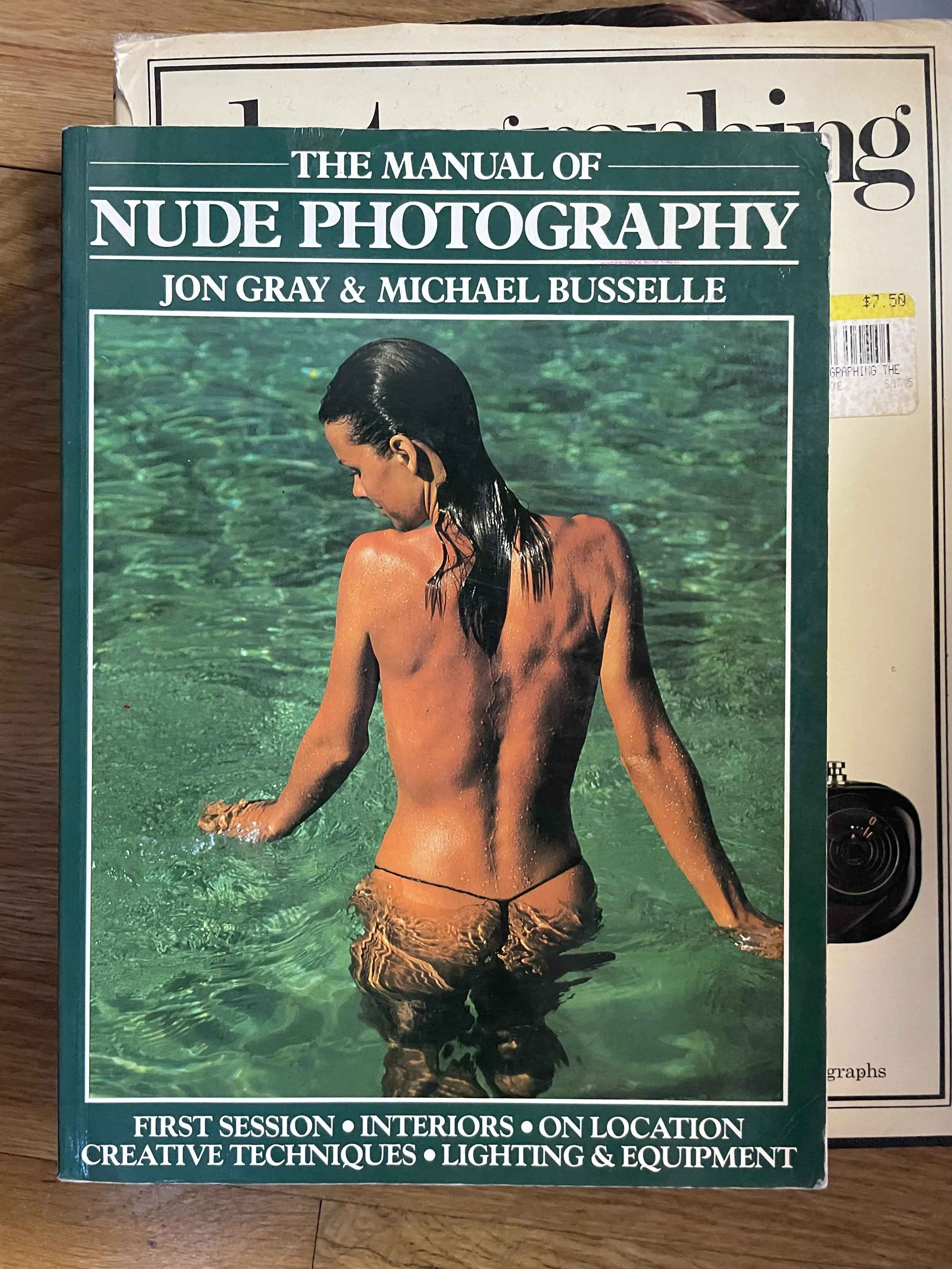
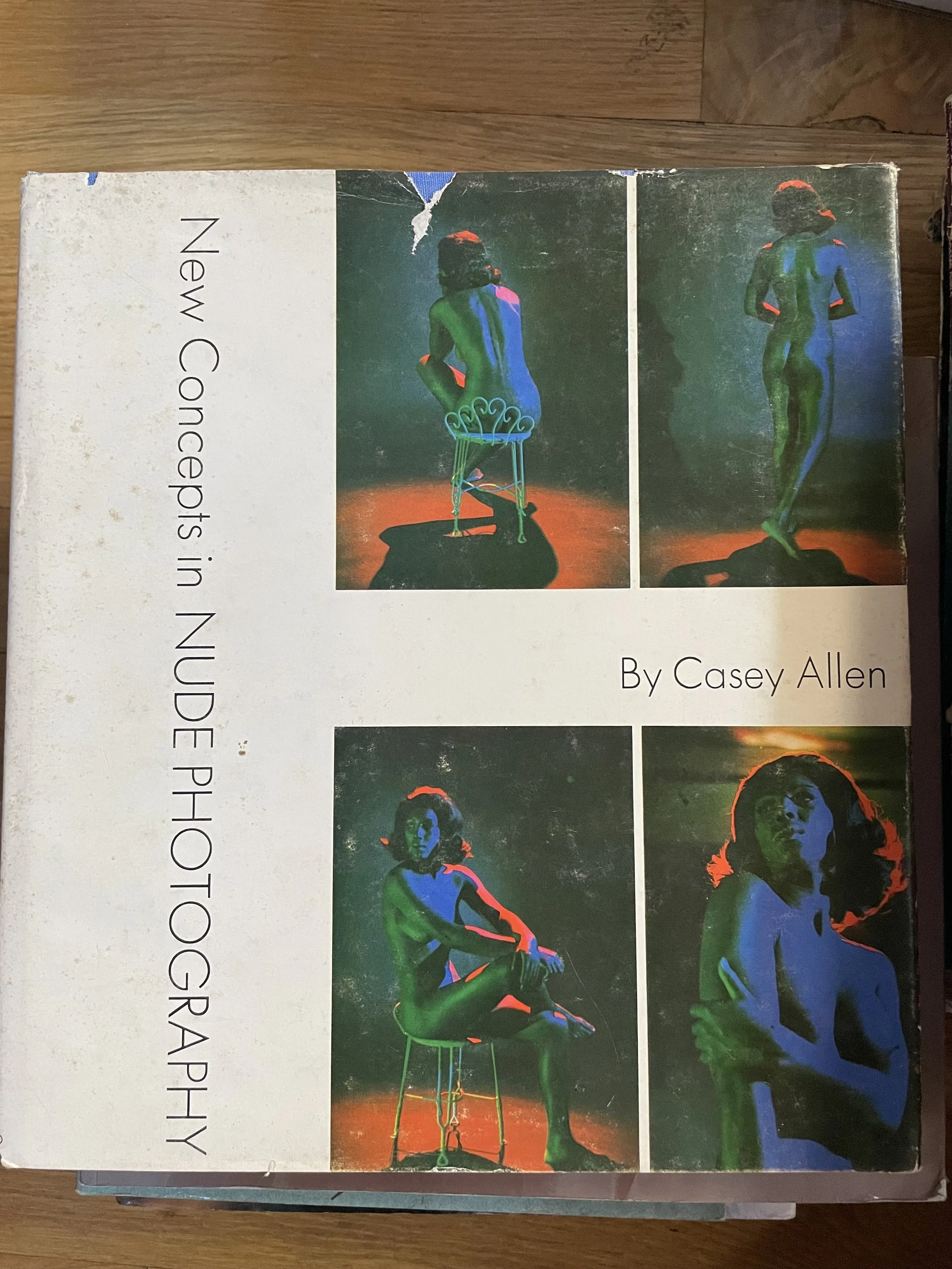
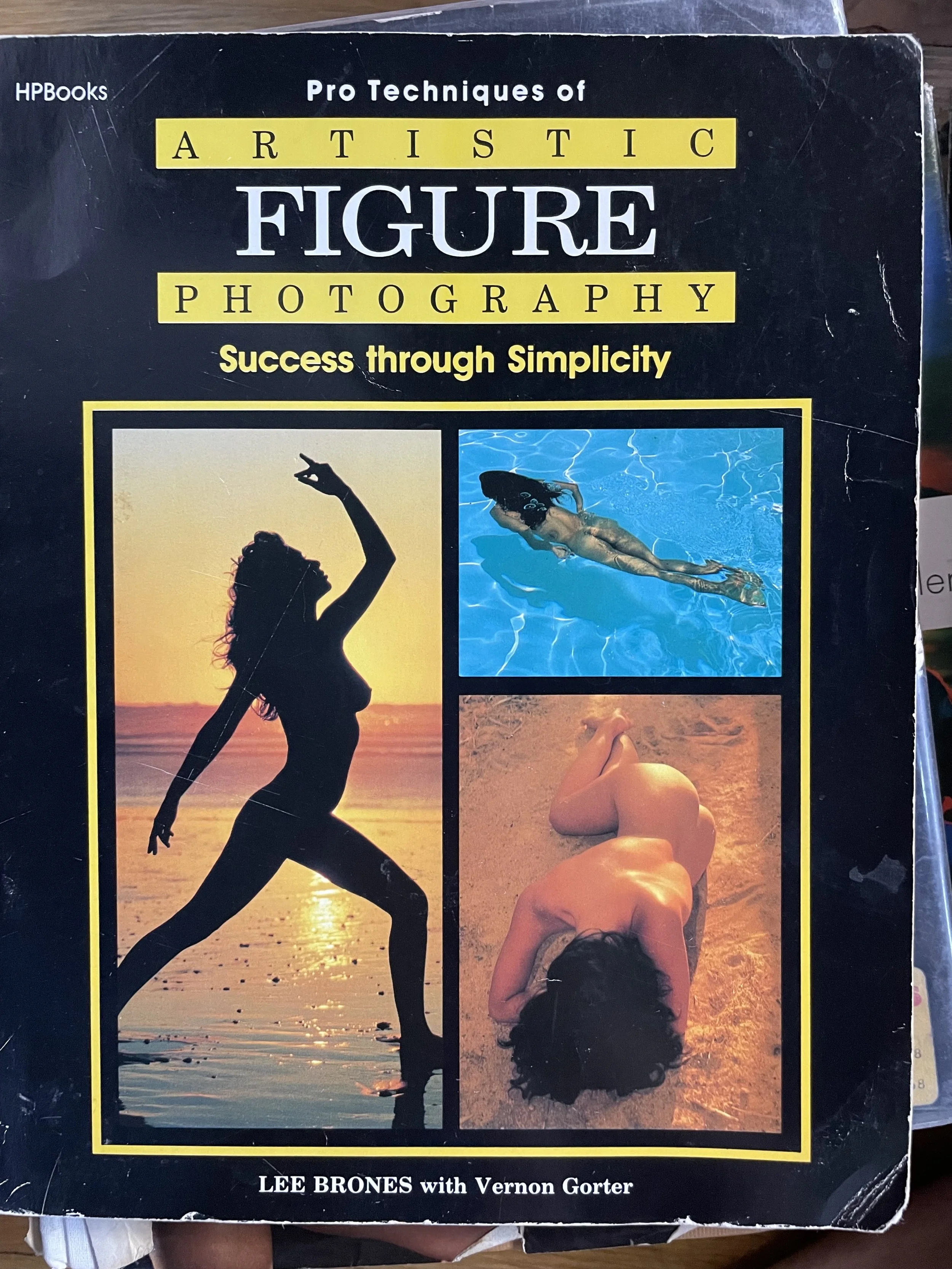
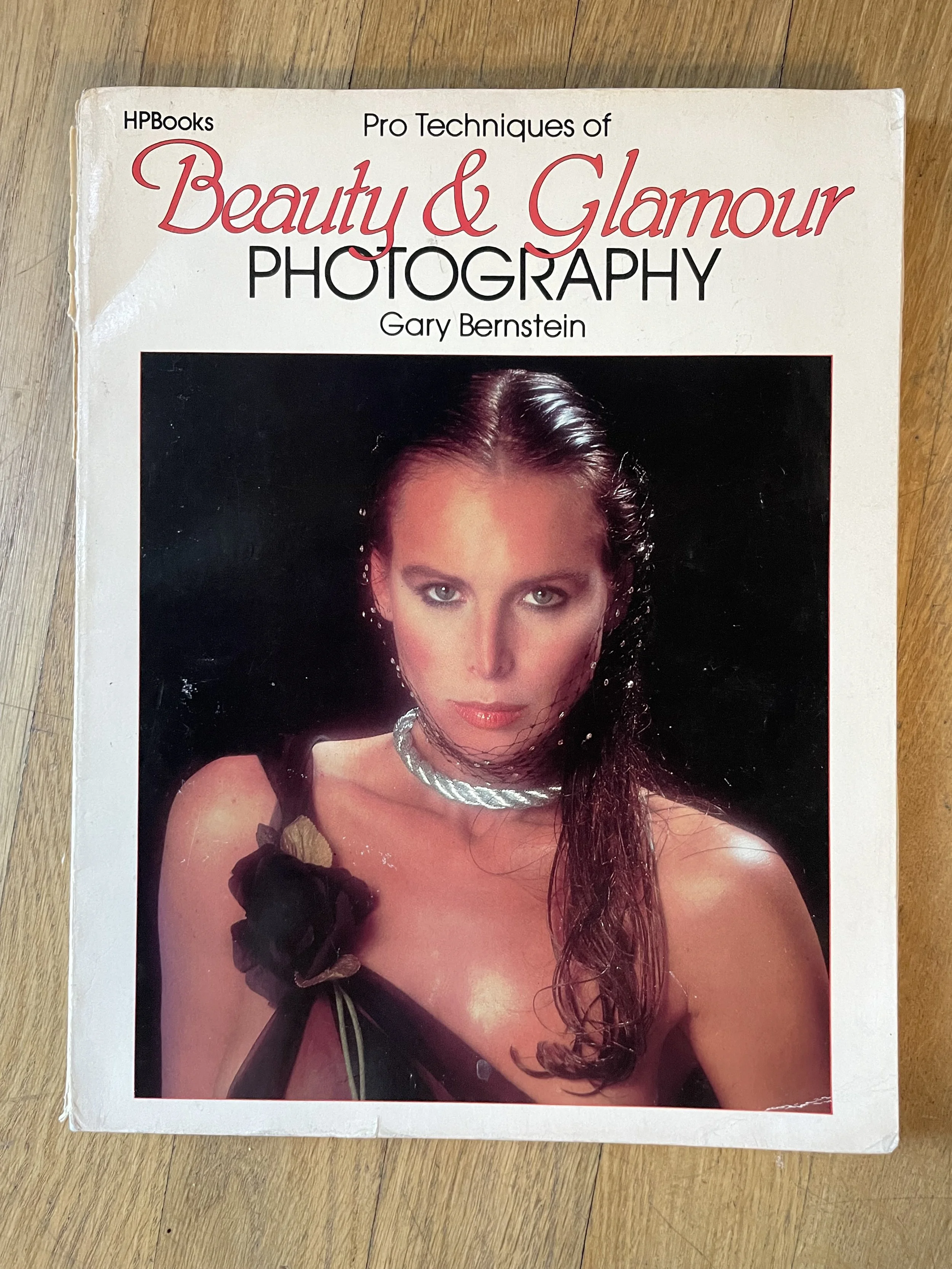
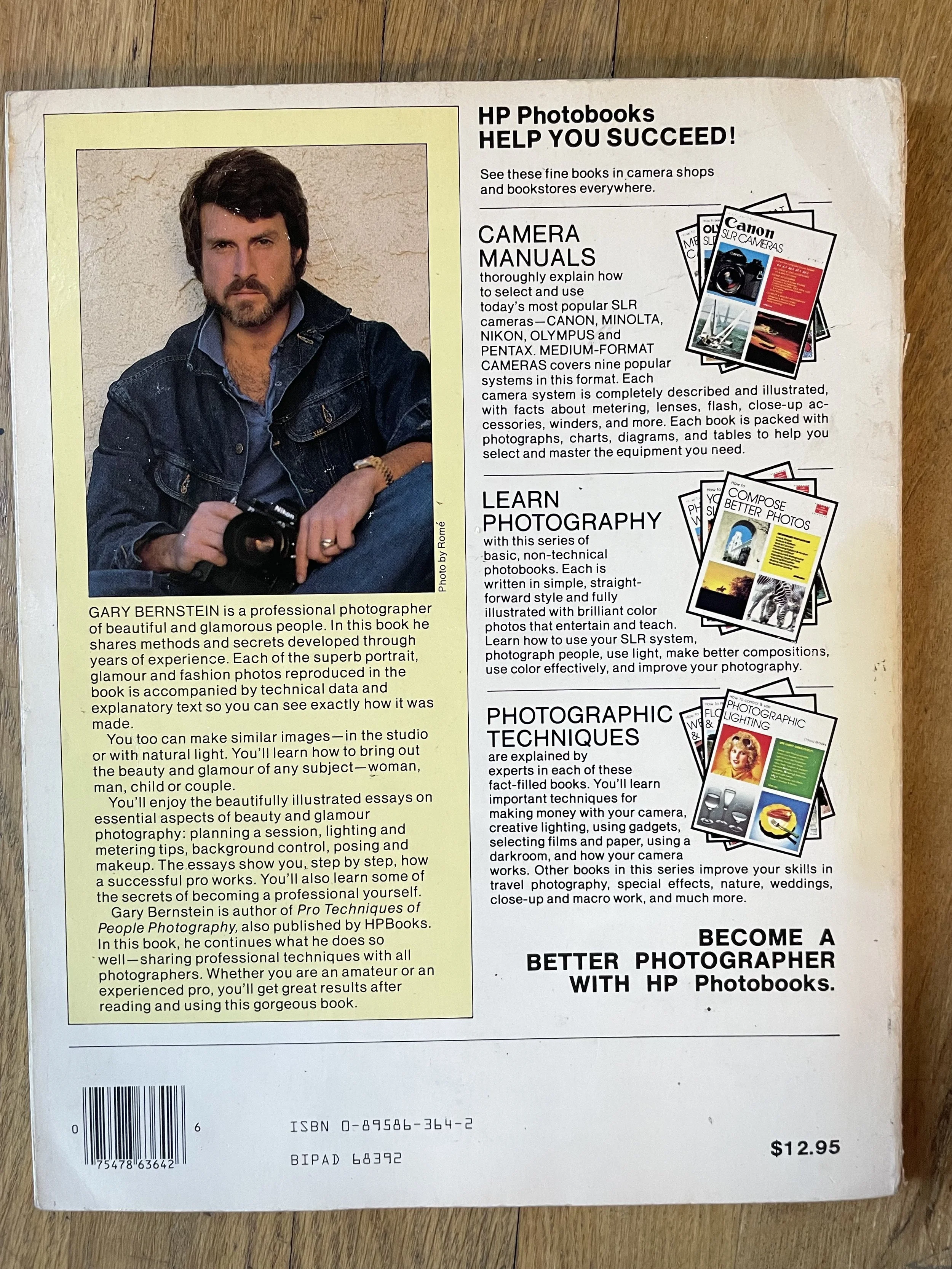
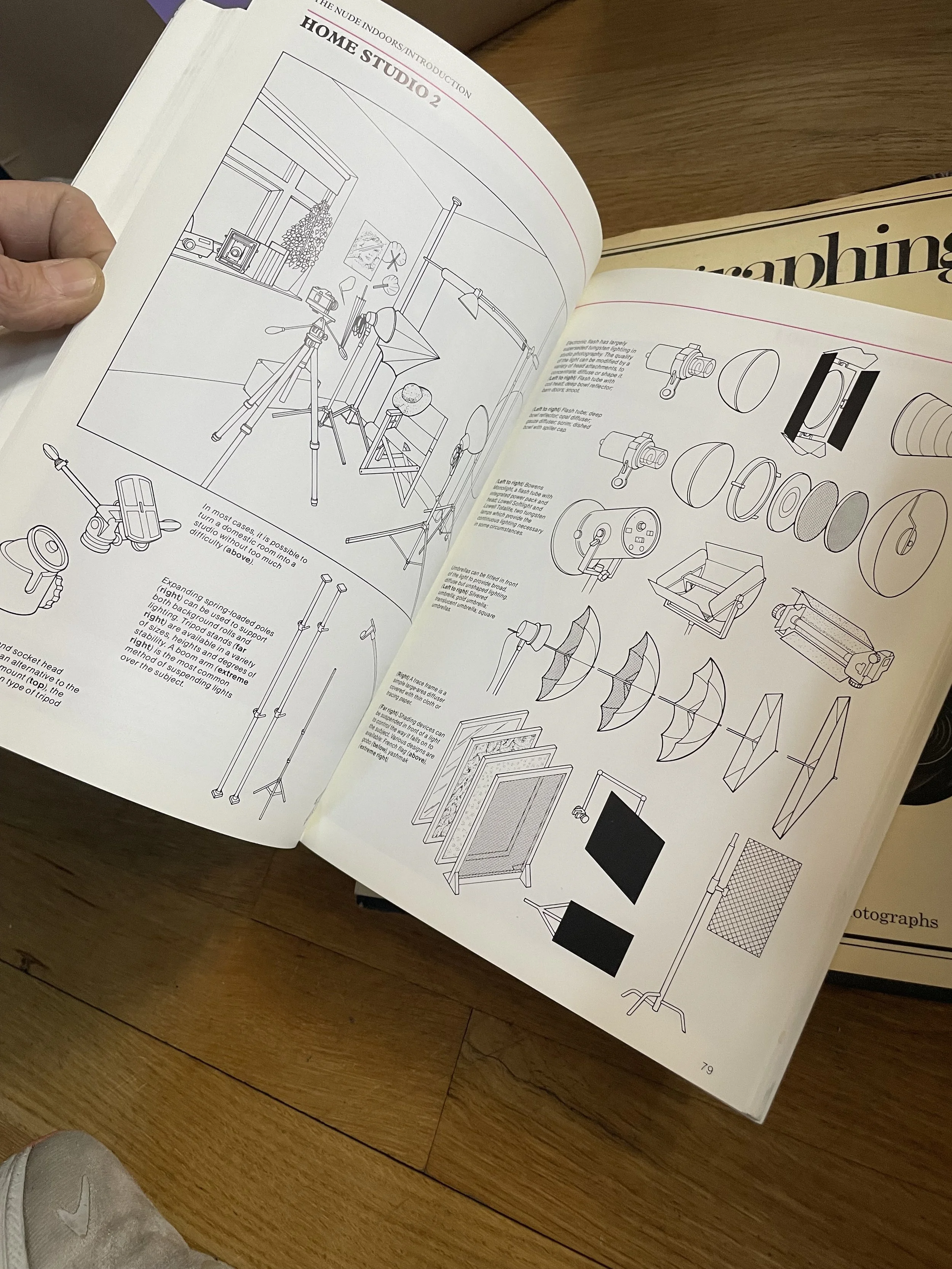
Nowadays, if I want to learn a skill on a budget, I start with YouTube. In the 90s, learning to light portraits on a budget meant used books. You’ll see some patterns in my collection here. They also contain great technical info. That contradiction crystallized something atmospheric and has given me rage fuel that helps me focus.
For quite a while now, I’ve been investigating photography as a system of technical rules and cultural conventions, as it is learned and practiced by photographers, through concrete inversions and investigations of received rules: using chemistry improperly, using “corny” metallic paper, applying embarrassing hobbyist filters, employing awkward framing, cutting paper off the roll with a box cutter and leaving the irregular edges, all in the service of pulling various threads of bigger questions about power and hierarchy.
Not materials play for its own sake. Not expressiveness.
Just thought I would clear that up.
Proof of concept that down this road lie many wonders.